Silver Diamine Fluoride (SDF) is a clear, odorless, non-toxic liquid that is used to arrest tooth decay in children and adults. It is the only treatment in the history of oral health to be granted the "Breakthrough Therapy Designation" by the U.S. Food and Drug Administration (FDA), and contains a water-based solution composed of silver, fluoride and ammonia.
SDF can help stop cavities from getting worse, which will delay or prevent the need for more invasive treatments such as fillings, crowns, or extractions. It is also used to treat tooth sensitivity, especially in areas with gum recession.
SDF is applied to a clean, dry tooth by using either a small brush or using special woven floss. The liquid is allowed to dry for 1 minute. There are no postoperative limitations. You may eat, drink, and resume normal dental care immediately.
SDF is a fast, low-cost, no-needle, no-drill alternative to treating cavities. SDF can also be used to treat sensitivity.
SDF permanently stains tooth cavities black, however, the dark spots can eventually be covered with tooth-colored material. SDF does not stain sound tooth enamel or sound dentin. SDF can also temporarily stain skin or gums that come in contact with SDF during the procedure; this temporary staining can last anywhere from 3 days to 3 weeks. Also, SDF will need to be reapplied periodically to keep the cavity arrested.
There are no known side-effects other than cavity staining. SDF has been used in other countries for more than 80 years without a single adverse event reported. It was approved for use in the U.S. in 2014.
SDF penetrates cavities and both kills pathogenic organisms and hardens softer dentin, making it more acid- and abrasion-resistant.
Contact us to see if SDF is an option for you.
"Silver diamine fluoride (SDF) may be used in some cases to stop decay when a cavity has formed. With SDF, the dentist applies it directly to the area of decay without first having to drill the tooth.
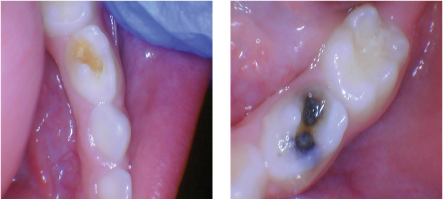
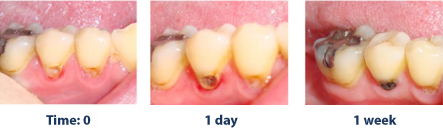
SDF is an inexpensive option that is simple to apply; however, although it stops the decay from progressing, it does not fill the cavity, and the tooth structure will remain weak if not restored with a filling or crown. Another drawback of SDF is that the color of the treated area will become black. This may be less of a problem in primary teeth, which will be lost as the child ages, than for permanent teeth. Even so, because applying SDF is quick, it may be especially helpful for patients who have trouble sitting still during dental treatments. SDF needs to be reapplied twice a year."
"There's long been a big push to promote better dental health through fluoridation and telling people to eat less sugary foods.
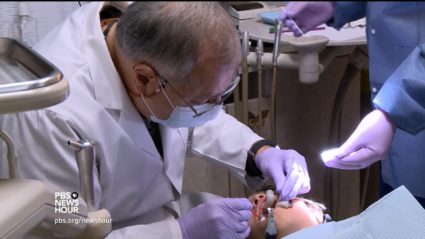
Despite those efforts, tooth decay remains a major public health issue. In fact, it's the most common chronic childhood disease, and 90 percent of all adults have cavities.
As many of us know, traditional treatments can often be painful, but a new pain-free, low-cost dental treatment could help all that."
Curodont is a non-toxic solution that is used to treat early-stage cavities and white spot lesions in a minimally invasive manner.
Similar to Silver Diamine Fluoride, we use Curodont to stop the progression of small cavities, which delays the need for more treatment such as fillings, crowns, or extractions. We use Curodont more in anterior teeth, as it does not have any staining effect like the SDF does.
Curodont is applied to a dry tooth by using a sponge saturated with the Curodont solution. The sponge is held to the tooth for 5 seconds on each side of the tooth. Prior to placing the sponge, we clean the tooth with a prophy or pumice paste, and acid etchant.The entire procedure can take less than 3 minutes. After having it placed, you are not able to eat, drink, or rinse for 30 minutes. Curodont does not have a taste and does not cause any staining.
The peptide in Curodont, P-114, enables the calcium and phosphate ions in saliva to penetrate the cavity and precipitate hydroxyapatite crystals, which stops the cavity from progressing. It can also remineralize the damaged enamel.
Curodont is a fast application, minimally invasive, no-needle, no-drill alternative to treat small cavities.
There are no true drawbacks to Curodont; however, in order for it to have maximum effectiveness, there must be good oral hygiene habits to prevent the bacteria from getting back in the lesion. This includes brushing twice a day with fluoride toothpaste and flossing/interproximal cleaning once a day.
Contact us to see if Curodont is an option for you.
"The effects on promoting caries arrest and decreasing lesion size suggest that CR (Curodont) is a viable treatment option for initial caries lesions alongside other evidence-based interventions for initial caries lesions.
This finding is a clinically meaningful addition beyond the effect of behavior change and other preventive interventions."
"This represents a significant breakthrough in cavity management, closing a long‑standing treatment gap in care and establishing a new category of drill‑free restoration of early-stage caries when traditional prevention has failed."
Dr. Liberty Boucher is proud to maintain memberships & foster affiliations with a variety of professional organizations not only in dentistry and oral health, but also with a commitment to the treatment of sleep apnea.


In addition to the above, Dr. Boucher is a member of the Wisconsin Sleep Society, the Chicago Dental Society, and the local Spear Education Study Club.
© 2016, University Hills Dental